- Published on
How 3D Modelling & BIM is Used for Quality Renovation & Interior Design
You've seen it happen: a homeowner picks finishes from samples under fluorescent lights in a showroom, only to discover the colors clash terribly in their actual space. Or an expensive custom sofa arrives and blocks the doorway because no one visualized the furniture layout properly. Or contractors open a wall during renovation and discover plumbing exactly where the new island was supposed to go, triggering redesigns and budget overruns.
These aren't rare disasters—they're predictable consequences of designing renovation and interior projects from 2D floor plans and material samples. The human brain struggles to translate two-dimensional representations into three-dimensional reality, especially when juggling multiple materials, finishes, furniture, and spatial constraints simultaneously.
3D modeling solves this visualization problem. Modern design tools let you walk through your renovated space before construction begins, see materials and finishes under realistic lighting, test furniture arrangements, and identify conflicts before they become expensive problems. For most renovation and interior design projects, this visualization capability delivers the quality and confidence homeowners and designers need.
For complex edge cases—major structural changes, extensive mechanical and electrical coordination, phased renovations in occupied buildings—full Building Information Modeling (BIM) adds coordination capabilities beyond visualization. But most projects don't need that level of complexity. This article explains when 3D modeling is sufficient, and when BIM becomes necessary.
Understanding 3D Modeling and BIM
Most renovation and interior design projects benefit from 3D modeling—creating accurate three-dimensional representations of spaces that let you visualize designs before construction. Think of it as a digital walkthrough of your future space, where you can see how materials look together, test furniture layouts, and understand spatial relationships that 2D floor plans can't convey.
Traditional 2D drawings show your space from above (floor plans) or from the side (elevations). You're expected to imagine how these flat views translate into the actual three-dimensional room you'll live in. Most people find this difficult, which is why homeowners often say "I didn't realize it would look like this" after construction.
3D modeling eliminates that guesswork. You see your kitchen with the actual cabinet finish next to the countertop you selected, under the lighting you chose. You test whether your sofa fits alongside the coffee table, with enough room to walk comfortably. You visualize the paint color on all walls, not just a small sample chip.
Building Information Modeling (BIM) adds data and intelligence to 3D geometry—useful for complex projects with extensive MEP work, structural changes, or projects requiring CORENET submissions or IDD compliance. For most residential renovations, 3D visualization provides what you need without BIM's additional complexity.
The 3D Design Process for Renovation & Interiors
Quality renovation and interior design starts with accurate information about your existing space, then builds through visualization, planning, and coordination.
Measuring Your Existing Space
Before designing anything new, you need to know precisely what exists. Traditional measurement involves someone with a tape measure recording dimensions, transferring them to drawings, and hoping nothing was missed. This process is slow, prone to errors, and often incomplete—missed ceiling heights, forgotten architectural details, or measurement mistakes that only surface during construction.
Laser scanning captures entire rooms in minutes with millimeter accuracy. A laser scanner creates a "point cloud"—millions of measured points representing every surface in your space. This digital record shows not just the dimensions shown on old plans, but the actual conditions: walls that aren't perfectly square, ceiling heights that vary, structural elements that aren't on any drawing.
Our Scan to BIM services convert point cloud data into accurate 3D models, providing a reliable foundation for design without guesswork about existing conditions.
Not every project requires scanning. Simple rooms with straightforward geometry can be measured traditionally. But for complex spaces, tight tolerances (like fitted furniture), or when you need confidence that new elements will fit exactly, scanning eliminates the "we'll figure it out during construction" uncertainty that leads to budget overruns.
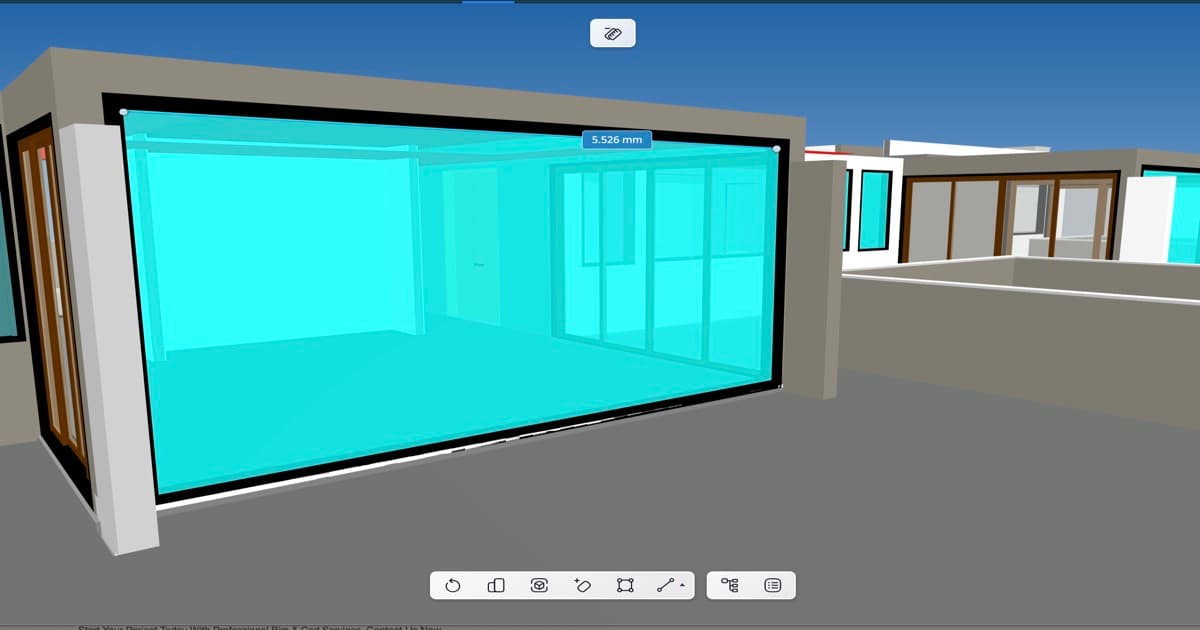
Smartphone-based scanning tools (using LiDAR) offer a middle ground—faster and cheaper than professional scanning, more accurate than tape measures, and sufficient for many residential projects.
Visualization: Seeing Before Building
This is where 3D modeling delivers its most obvious value. Once your existing space is measured and modeled, designers build the proposed renovation digitally. You don't imagine your new kitchen from a floor plan—you walk through it.
You see your cabinet finish next to the countertop material you selected, under the lighting you chose. You understand how the island relates to the dining area. You notice that the refrigerator door would block the pathway when open—easy to fix digitally, expensive to discover after installation.
Material and finish selection becomes confident rather than hopeful. That tile you loved in the showroom? See it on your actual walls, with your lighting, next to your cabinetry. The paint color that looked perfect on a sample chip? View it on all walls, in morning and evening light conditions, with your furniture.
Interior designers use this visualization to test multiple options. Want to compare two cabinet finishes or three paint schemes? See them all in your actual space rather than trying to imagine them from samples.
Space Planning and Furniture Layout
This is where 2D floor plans fail homeowners most dramatically. A furniture layout that looks fine on paper often doesn't work in reality. The sofa blocks the doorway. The coffee table makes circulation awkward. The king bed technically fits, but leaves no room for nightstands or dresser access.
3D modeling lets you test furniture arrangements in the actual space. Place your sofa, test different orientations, ensure door swings don't conflict with furniture placement, verify that traffic flow works naturally. Try that accent chair in three locations before committing.
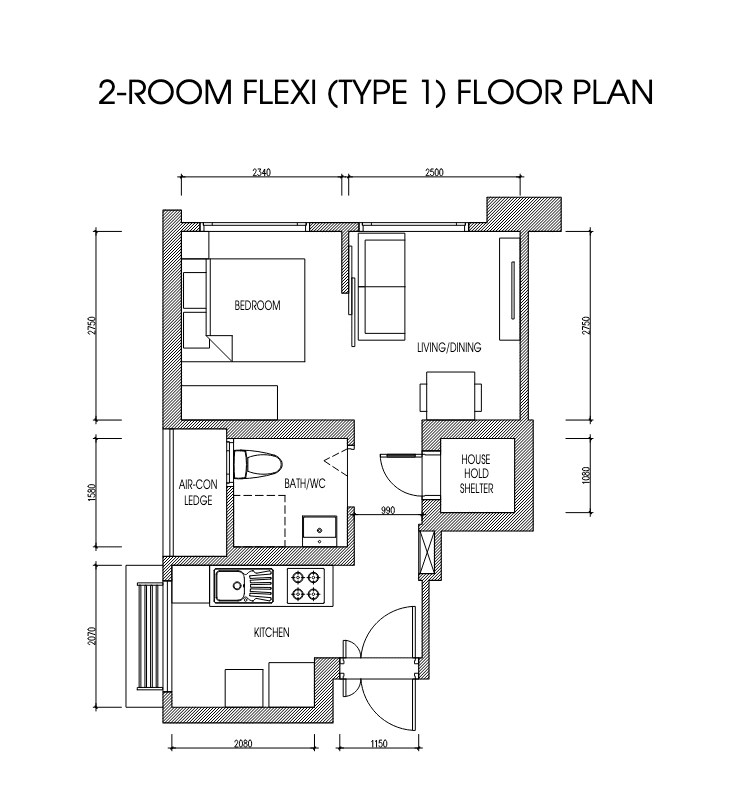
For fitted elements—kitchen islands, built-in storage, bathroom vanities—3D modeling ensures they fit with proper clearances. Will the oven door hit the island when open? Can two people pass each other in the kitchen aisle? Does the shower door swing without hitting the vanity? These questions answer themselves when you see the space three-dimensionally.
Uncovering Issues Before Demolition
Renovation surprises kill budgets. You design a new kitchen around assumptions about wall locations, only to discover during demolition that there's a structural beam where the opening was supposed to be. Or plumbing runs exactly where your new island needs to go. Or the ceiling isn't high enough for your planned light fixtures.
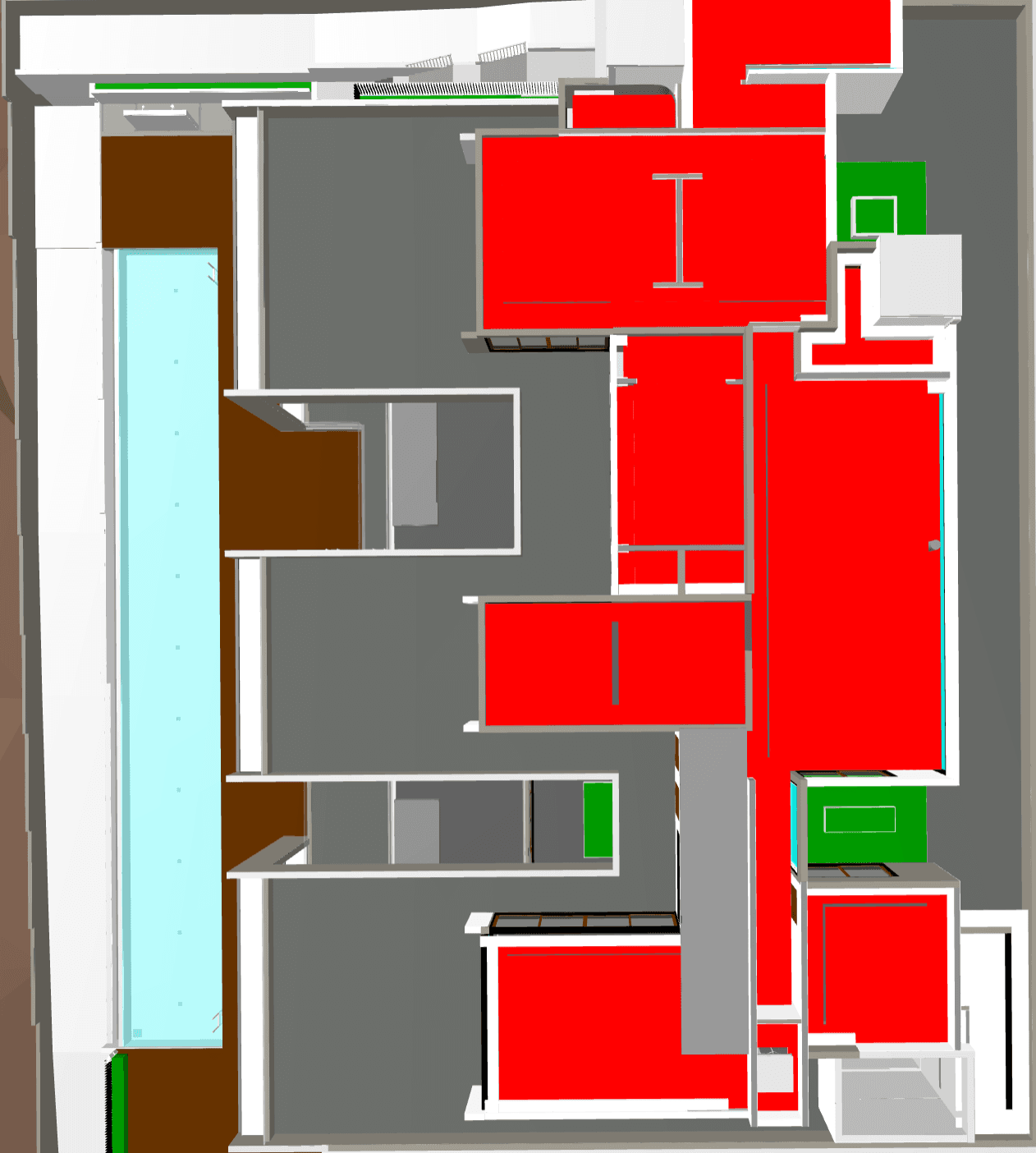
3D models built from accurate measurements reveal these issues before you commit to a design. That beam shows up in the scan. The ductwork nobody mentioned appears in the point cloud. The actual ceiling height (not what the old plans claim) is measured precisely.
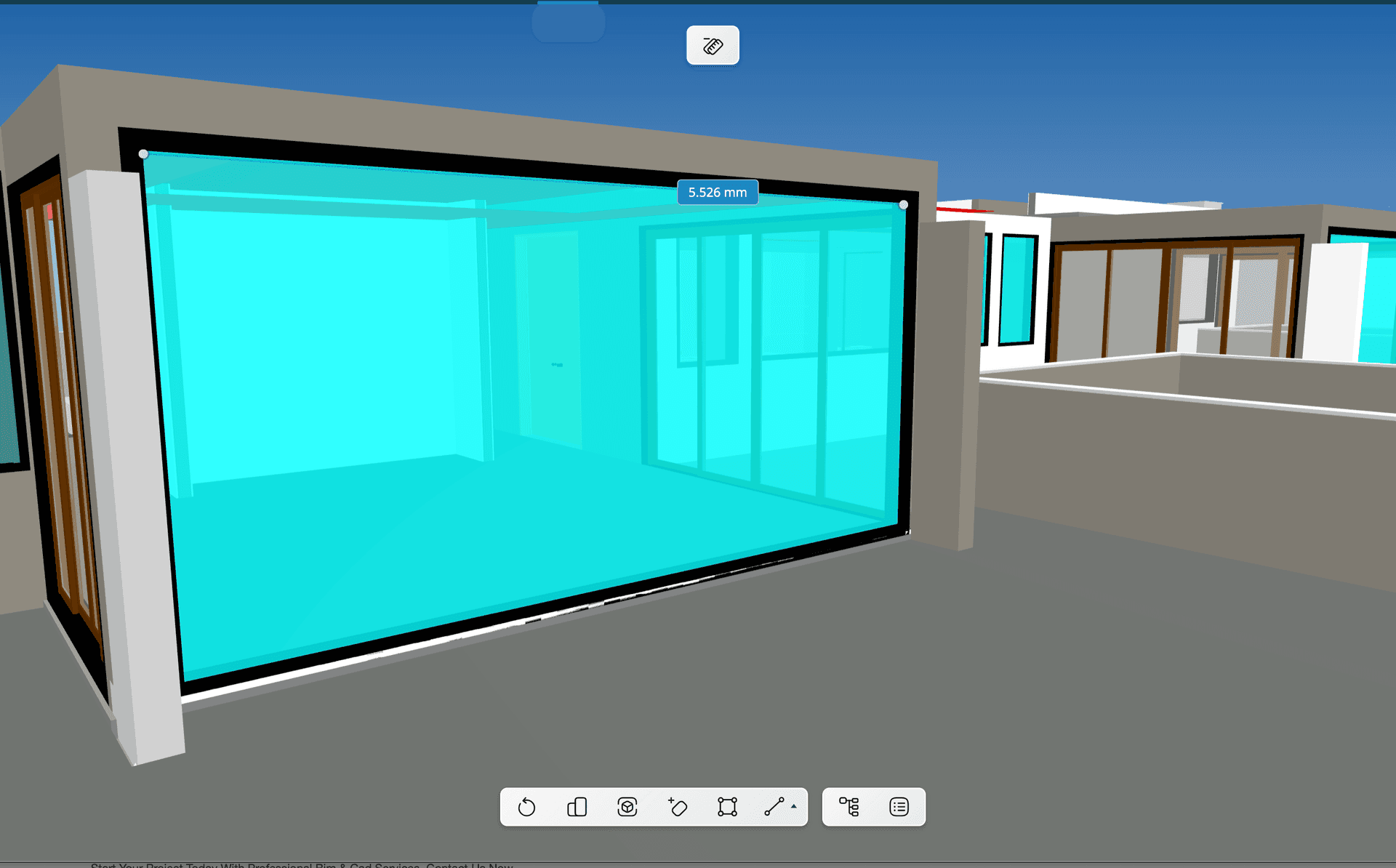
Finding problems digitally is cheap. Finding them during construction—with contractors on-site, materials ordered, and schedules set—multiplies costs dramatically. This is why design firms increasingly start renovation projects with scanning: the measurement investment pays for itself many times over by preventing costly mid-construction surprises.
When BIM Becomes Necessary (Beyond 3D Modeling)
Most renovation and interior design projects succeed with 3D modeling for visualization and space planning. But some projects demand the coordination capabilities that full BIM provides.
Complex Structural Changes
Removing or moving load-bearing walls requires coordination between architecture, structural engineering, and construction sequencing. BIM models can integrate structural analysis, show temporary bracing requirements, and coordinate how the building transfers loads during and after renovation.
When you're opening up spaces significantly—removing walls between rooms, adding large openings, or creating open-concept layouts—BIM helps structural engineers and architects work together in a shared model, reducing the risk that architectural intent conflicts with structural reality.
Extensive MEP Coordination
Major mechanical, electrical, and plumbing relocations benefit from BIM's coordination capabilities. If you're moving your kitchen to a different floor level, completely reconfiguring bathroom layouts, or adding HVAC systems to a space that didn't have them, the coordination complexity justifies BIM.
Our BIM coordination services help projects manage the interactions between multiple building systems, catching conflicts before construction begins.
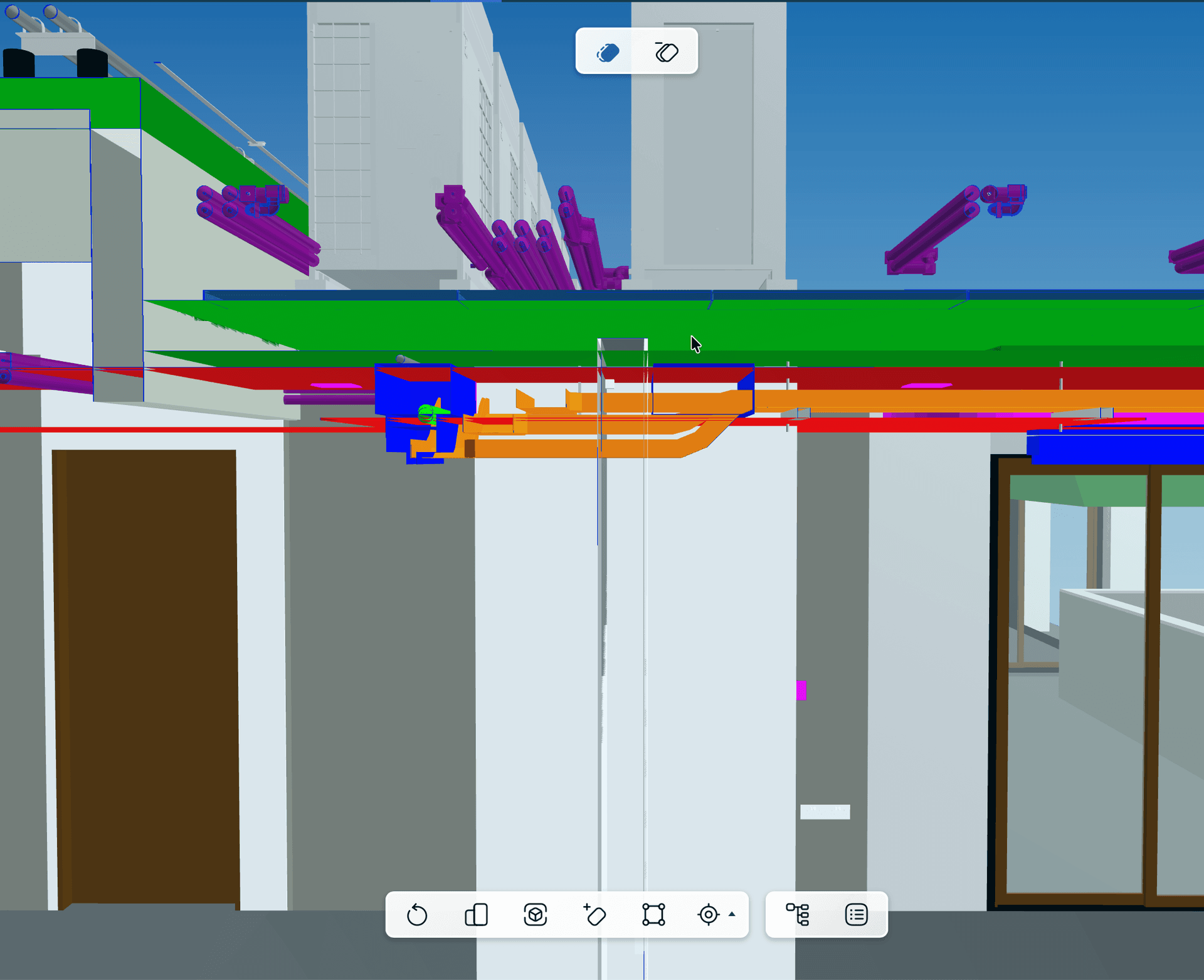
BIM's automated clash detection identifies where new ductwork would collide with structural beams, where plumbing routes conflict with electrical conduit, or where ceiling-mounted elements leave insufficient clearance. For simple cosmetic renovations or interior refreshes, this level of coordination is unnecessary. For projects touching multiple building systems extensively, it prevents expensive on-site discoveries.
Large Commercial Fit-Outs
Office build-outs, retail stores, restaurants, and other commercial spaces often involve multiple specialized contractors working simultaneously on tight schedules. BIM helps coordinate between architectural finishes, mechanical systems, electrical/data infrastructure, lighting design, furniture systems, and millwork.
In Singapore, many commercial projects require CORENET X submissions where BIM models go directly to authorities for regulatory approval. Projects following Integrated Digital Delivery (IDD) standards maintain digital information throughout the asset lifecycle, making BIM mandatory rather than optional.
Occupied Space Renovations with Complex Phasing
When you must keep a business operating during renovation, phasing becomes critical. Which areas go offline when? How do temporary walls and relocated services work? Where do occupants function during each construction phase?
BIM models can show phasing sequences visually, helping owners understand disruption, contractors coordinate work around occupied areas, and everyone plan for temporary conditions. For a simple residential renovation where the family moves out during construction, this complexity doesn't exist. For occupied commercial spaces or facilities that must maintain operations, BIM-based phasing planning becomes valuable.
Historic Buildings and Documentation
Historic preservation often requires detailed documentation of existing conditions and proposed interventions. BIM models serve both as accurate records of the building's current state and as tools for evaluating proposed changes against preservation standards.
The completed model becomes a long-term record of the building's evolution, valuable for future preservation planning and maintenance.
The Honest Assessment
Most residential renovations don't need BIM. A kitchen remodel, bathroom update, or interior refresh succeeds with 3D modeling for visualization and basic space planning. The complexity, cost, and expertise required for BIM typically aren't justified.
BIM becomes appropriate when:
- Multiple building systems require extensive coordination
- Structural changes involve engineering complexity
- Project phasing requires detailed sequencing
- Regulatory requirements mandate digital submissions
- Commercial fit-out involves many specialized trades
- Documentation requirements exceed typical residential standards
If your designer recommends BIM for a straightforward residential project, ask why. The answer should reference specific coordination complexity, not just "it's better" or "it's what we use." For the majority of renovation and interior design work, 3D modeling delivers the visualization and planning benefits you need without BIM's overhead.
Real-World Applications
Home Renovations: Kitchens, Bathrooms, and Living Spaces
Kitchen renovations demonstrate 3D modeling's value clearly. You see your cabinet selection with chosen countertops and backsplash, under your actual lighting. You verify that the refrigerator door doesn't block the pathway when open. You test whether the island provides enough clearance for people passing behind seated diners.
Material visualization prevents regret. That bold tile pattern you loved in isolation? See it covering your entire backsplash before committing. The dark cabinet finish that looked dramatic in the showroom? Visualize it in your actual kitchen, with your window light, next to your flooring choice.
Bathroom renovations benefit similarly. Test shower door swings against vanity placement. Verify that the soaking tub you want actually fits with comfortable access. See your tile and fixture selections together before installation.
Whole-home renovations involve more complexity—multiple rooms, coordinated finishes, furniture planning across spaces. 3D modeling helps maintain design cohesion, test furniture arrangements in multiple rooms, and ensure finish selections work together throughout the home.
Commercial Interiors: Offices, Retail, Restaurants
Commercial spaces face tighter schedules and higher finish expectations than residential projects. An office fit-out must coordinate workstations, meeting rooms, electrical/data infrastructure, lighting, and acoustic treatments while maintaining brand standards. 3D modeling lets stakeholders visualize the design, make confident finish selections, and ensure furniture systems work in the allocated spaces.
Retail stores and restaurants depend on customer experience—layout flow, sight lines, lighting, material choices all affect how customers interact with the space. 3D visualization helps owners and designers test layouts before construction, understand sight lines from different positions, and see how materials create the intended atmosphere.
For larger commercial projects with extensive MEP coordination, BIM becomes appropriate. Our BIM for architecture services help coordinate complex commercial fit-outs when multiple building systems interact.
What 3D Modeling Catches That Traditional Design Misses
Furniture conflicts: The sectional sofa that technically fits according to floor plan dimensions, but blocks the window once you account for coffee table, side tables, and walkways.
Finish mismatches: Bold wallpaper that overwhelms the space when you see it on all walls, not just a sample square. Flooring that clashes with cabinetry when viewed together in realistic lighting.
Circulation problems: Door swings that conflict with furniture placement. Kitchen aisles that seem adequate on plan but feel cramped three-dimensionally. Bathrooms where the toilet placement makes the door awkward.
Proportion failures: Kitchen islands sized correctly in plan view but visually overwhelming in the actual space. Pendant lights that look perfect in product photos but feel too large or small when properly scaled in your room.
Lighting disappointments: Fixtures that create the wrong atmosphere, inadequate task lighting in work areas, or ambient lighting that doesn't achieve the intended mood—all visible in 3D visualization before purchase and installation.
These aren't theoretical problems. They happen constantly on projects designed from 2D plans and material samples. 3D modeling doesn't eliminate all surprises—construction always holds some unknowns—but it catches the predictable issues that come from expecting humans to accurately visualize three-dimensional space from two-dimensional representations.
Working with 3D-Enabled Design Firms
When you hire a design firm that uses 3D modeling, expect a different—and better—design process than traditional 2D approaches.
What to Expect
Visualization throughout design development: Rather than imagining your space from floor plans and elevations, you'll see three-dimensional views as the design develops. Early concepts appear three-dimensionally so you understand spatial relationships immediately. As design progresses, materials and finishes populate the model so you see your actual selections in context.
Material and finish selection in context: Instead of choosing finishes from isolated samples, you'll see them together in your space. Test multiple options—compare three backsplash choices, try different paint colors, swap cabinet finishes—all visualized realistically before committing.
Furniture and layout planning: Test furniture arrangements three-dimensionally. Designers can quickly try different layouts, and you see circulation, clearances, and spatial relationships clearly. No more "will this sofa fit?" uncertainty.
Issue identification before construction: When designers work from accurate measurements (especially scans), problems surface during design rather than during construction. That beam that would interfere with your ceiling plan appears in the model. The ductwork that conflicts with your new layout becomes visible before demolition.
Clear communication with contractors: 3D models help contractors understand design intent more clearly than 2D drawings alone. This doesn't eliminate all construction challenges, but it reduces misunderstandings about what the design intends.
When Designers Might Recommend BIM
For straightforward residential renovations, 3D modeling suffices. If your designer recommends full BIM, they should explain the specific coordination complexity that justifies it:
- Major structural work: Removing multiple walls, adding significant openings, or structural reconfiguration requiring engineering coordination
- Extensive MEP changes: Relocating kitchens/bathrooms significantly, adding HVAC systems, major electrical/plumbing work across multiple spaces
- Complex commercial fit-outs: Multiple specialized trades, tight coordination requirements, regulatory submission needs
- Occupied space renovations: Phased work requiring detailed sequencing to maintain operations
Legitimate BIM recommendations reference specific project complexity. Generic answers like "it's better" or "it's our standard process" for simple residential work may indicate overselling complexity you don't need.
Questions to Ask Your Designer
- What will I see during the design process? Expect specific answers about visualization, material mockups, and how you'll review options.
- How do you capture existing conditions? Manual measurement, smartphone scanning, or professional laser scanning—the method should match project requirements.
- Can I test different material and finish options? Quality 3D modeling lets you compare options before deciding.
- What happens when we find unexpected conditions during construction? Understanding how designers handle surprises matters as much as preventing them.
- Is this project complex enough to need BIM, or is 3D modeling sufficient? This question prompts honest assessment of actual project requirements.
Value Proposition
3D modeling's value isn't theoretical—it prevents specific, predictable, expensive mistakes:
Furniture that doesn't fit: Discovered before purchase rather than delivery day.
Finishes that clash: Seen together in realistic lighting before installation.
Layout problems: Tested digitally before construction starts.
Hidden conditions: Found during design (when fixable cheaply) rather than during construction (when expensive).
This doesn't mean renovation projects become perfectly predictable—construction always holds surprises. But 3D modeling eliminates the surprises that stem from human difficulty visualizing three-dimensional space from two-dimensional representations.
Better Design with 3D Visualization
Renovation decisions carry significant financial and emotional weight. The difference between a space you love and one that disappoints often comes down to choices made during design—traditionally from 2D plans and material samples.
3D modeling transforms these decisions from hopeful guesses into confident choices. You see your space before building it, test furniture layouts before purchasing, and identify problems when they're easy to fix rather than expensive to correct. Most projects succeed with quality 3D modeling—full BIM is only needed for exceptionally complex multi-trade coordination.
Frequently Asked Questions

Related Articles
BIM Implementation in Singapore: A Practical Guide for Subcontractors
A practical guide for MEP subcontractors adopting BIM in Singapore. Learn workflows, costs, and CORENET X requirements for 2026 compliance.
Free Tools for CORENET X Compliance: Bimeco Validator Features
Free web-based tool for CORENET X BIM submissions in Singapore. Validate & edit IFC+SG models, handle 5GB files, bulk editing—all free. See key features.
CORENET X BIM Submission Tool: The Bimeco Validator
Need to validate and update your BIM models for CORENETX submission? The Bimeco Validator helps users validate and update their model files for CORENET X compliance.